

Our Top Medical Alert Systems picks for 2026
We researched and tested the top medical alert systems on the market to help you make an informed decision.
- Medical Guardian – Best Overall
- MobileHelp – Best Value
- Medical Alert – Most User-Friendly
- LifeStation – Best Health Insurance Discounts
- Lifeline – Most Industry Experience



Best medical alert systems of 2026
Our team researched and tested the top medical alert systems on the market to help you make an informed decision for yourself or your loved one. Let’s take a look at our picks for the best medical alert systems in 2026.
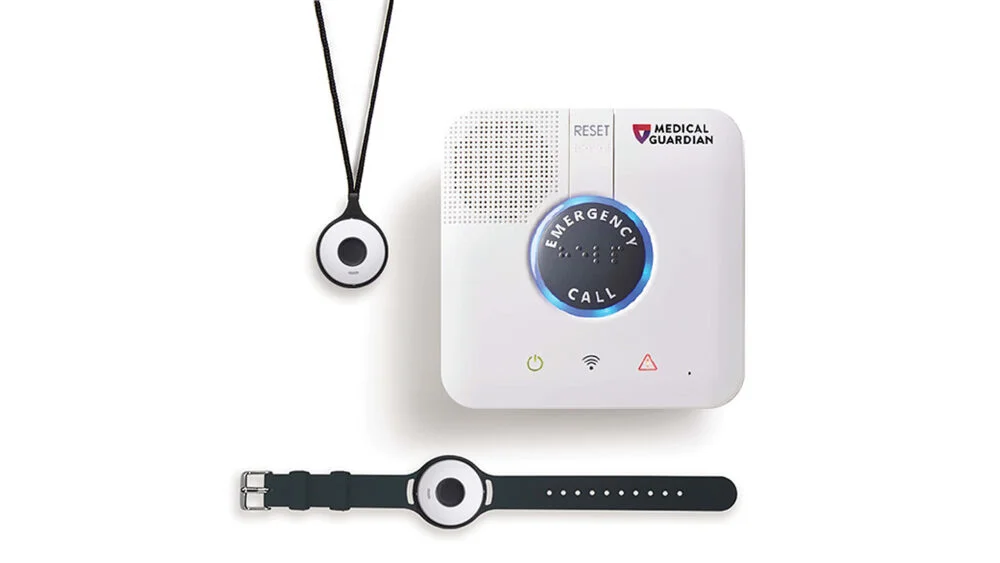
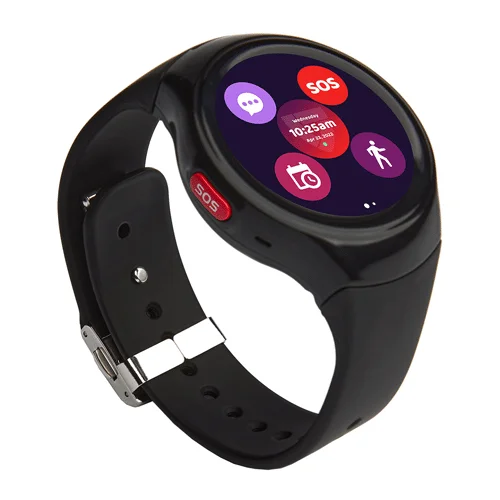


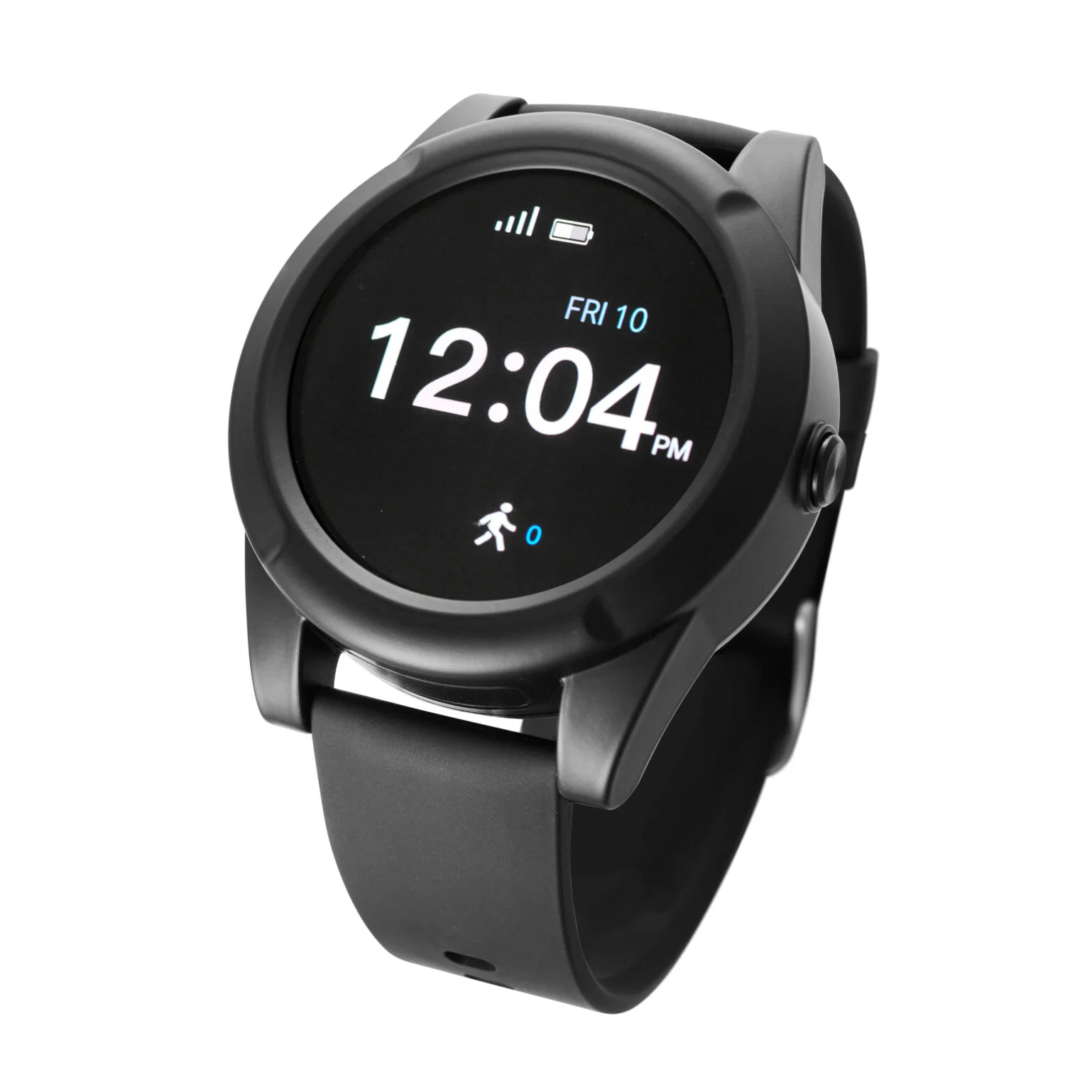
Usually, a brand’s at-home or on-the-go systems outshine the other, but we were equally impressed with both from Medical Guardian, making this brand our pick for “Best Overall.” Other factors putting Medical Guardian in the top spot include the at-home systems featuring some of the longest ranges in the industry (1,300–1,400 feet), and the mobile devices’ availability as a lightweight necklace, bracelet, or smartwatch with advanced location tracking, a multi-day battery life, and optional fall detection.
Combine this with the monitoring center’s less than 60-second response time, and this may be why a majority (43%) of our survey respondents use Medical Guardian for their medical alert system.
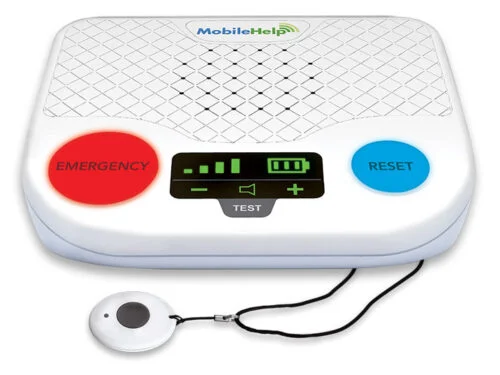
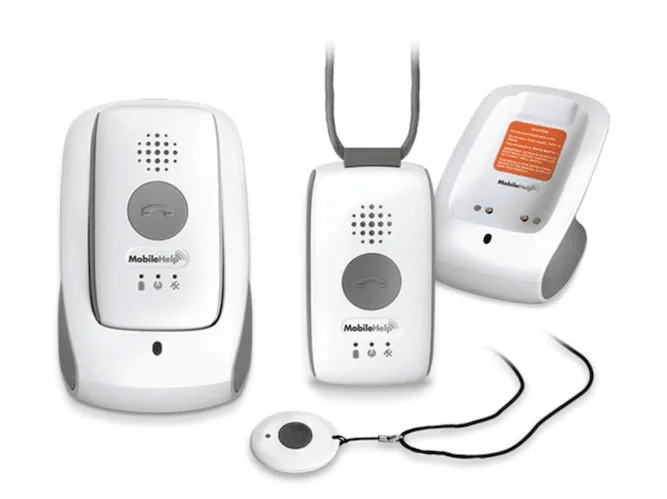


Most mobile medical alert systems include an additional fee on top of the monthly monitoring fee, but MobileHelp doesn’t charge extra fees for most devices. There’s only one device with an extra fee—a processing fee for the Classic at-home system—but the company waives it with quarterly, semiannual, or annual payment plans. We also like the variety of devices available.
During our August 2024 survey, one user said: “It has impacted my life in both positive and negative ways. Because I have it, people think I’m not able to do certain things, but it allows me to have the confidence that if I need it, I have the option to use it. It allows me to be a bit safer in my home and my community.”
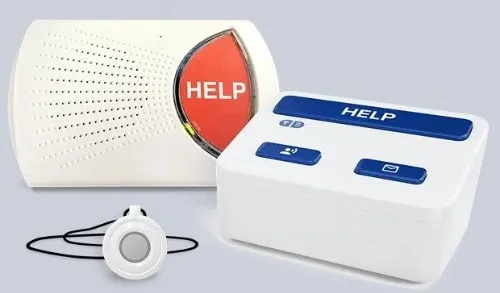


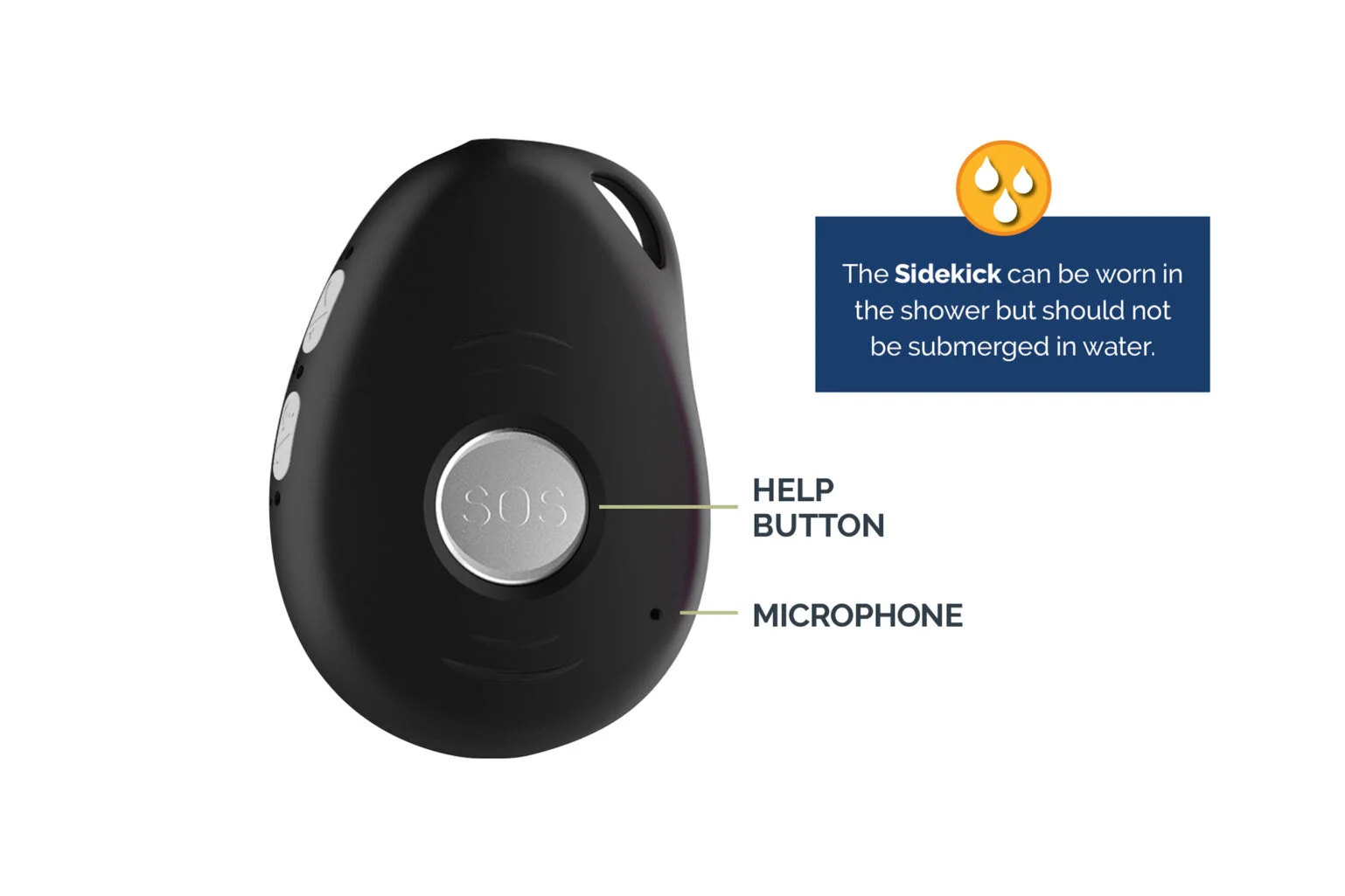
Medical Alert has clear, easy setup instructions, all-in-one technology, and a push-button system. Medical Alert keeps its product line and devices simple, offering a mobile system and a home system. The home system has a landline option or a cellular version, which offers the same benefits, and a waterproof wearable device. Medical Alert’s mobile system device can be worn like a necklace and includes a built-in help button, GPS location tracking, and two-way communication. The mobile system has an impressive five-day battery life, while the backup battery for the home system is 30 hours. You can add fall detection to your Medical Alert device for a small additional fee per month.
According to our August 2024 survey, Medical Alert users reported the highest level of satisfaction with their device’s ease of use (77.42%). One surveyed user said: “I love my Medical Alert because it has helped me in a very substantial way. Now I am not so helpless in certain situations, making my quality of life go up. It has also given me and my family peace of mind about my personal safety and has made me wish I had gotten this product earlier in life.”
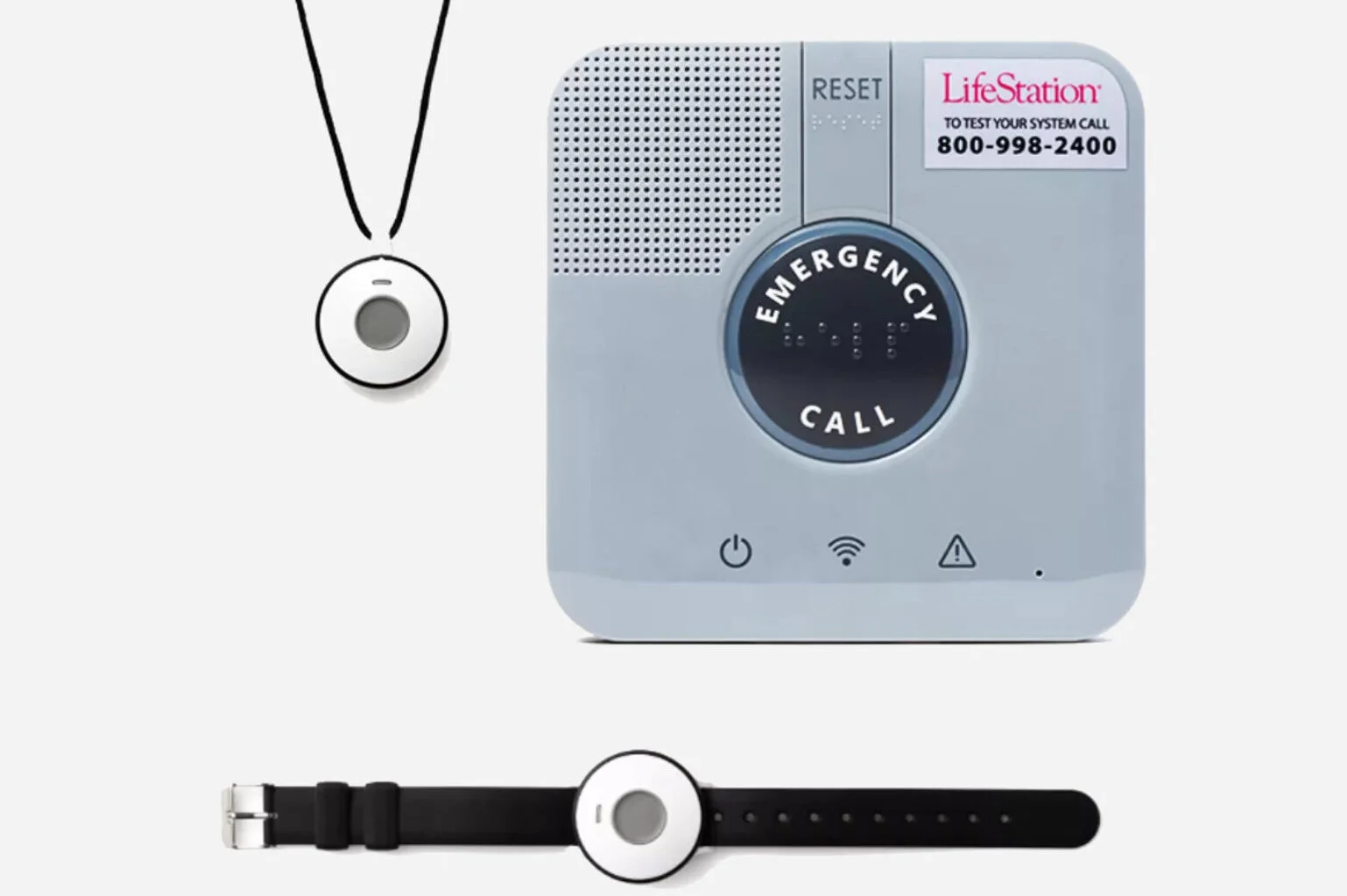

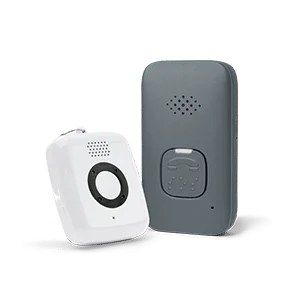
LifeStation stands out with one of the fastest response times in the industry (20 seconds), plus modern features like GPS tracking and a caregiver app for real-time family updates. Its mix of at-home and on-the-go devices offers flexibility, while the 30-day trial and no long-term contracts make it a low-risk choice. For families seeking both reliability and innovative features, LifeStation is a strong contender among today’s top medical alert systems
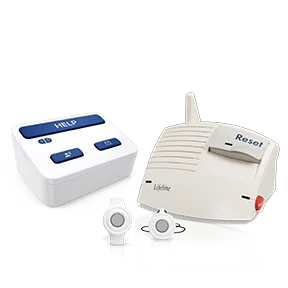
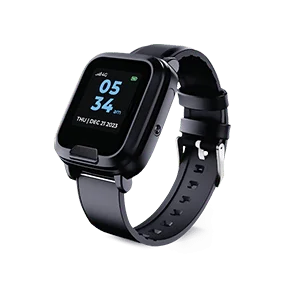

Lifeline is a reputable medical alert system brand with a long history in the industry, offering a range of at-home and mobile devices that are reliable and easy to use. The company is a good fit for individuals who value fast response times and dependable service from a well-established provider. While it may be more expensive than some competitors, the no-contract policy and 30-day trial make it a low-risk option for those seeking peace of mind.
What is a medical alert system?
A medical alert system is a device connected to a service providing users, especially older adults living alone people with a fall risk, or those who might experience a sudden medical crisis, to quickly access emergency care in case of a fall, injury, or other urgent situations. Medical alert systems have two main types: at home units, or portable, mobile devices.
Medical alert systems ensure users have the ability to maintain their independence and security by offering emergency assistance at the touch of a button. They allow older adults who live alone or those who live with chronic diseases the confidence and peace of mind to keep engaging in the activities they enjoy.
When you press the help button on your medical alert system device, it connects you with a 24/7 monitoring center. Upon connecting with the monitoring center, the agent will speak with you to determine the type of help you need. If you are unable to respond, the medical alert system staff will deploy emergency services.
Choosing a medical alert system
The best medical alert system for you will depend on your situation and lifestyle. Thinking about your budget and the factors most important to you in a device will help you narrow down the options.

Evaluate your needs

Evaluate the providers

Evaluate the products
Benefits of Buying Online

Greater selection
Considerations when shopping for a medical alert system
Device Type
We recommend an at-home system if you spend most of your time at home and are accompanied by a caregiver when outside your home. A mobile system may be better if you’re more independent and enjoy on-the-go activities outside your home without a caregiver.
Connection
If your area has poor cellular service, a medical alert system with a landline connection may be the right choice. Remember that you must have an active landline connection for the system to connect to the monitoring center.
Range
Most at-home systems with a cellular connection have a longer connection range than a landline system. If you have a large home or yard and prefer an at-home system, an at-home system with a cellular connection may be the best option.
Battery life
Lengthy battery life is important if you’re often away from home. Do you find yourself regularly away from home for hours at a time? An on-the-go device with a longer multi-day battery life may be important.
Fall detection
Are you or the person you’re buying a medical alert system for at risk of falling, or have you fallen in the past? If so, you may want a wearable device with fall detection.
Water-resistance
Water-resistant help buttons and mobile devices can be safely taken into the shower but cannot be submerged in water, such as while swimming or taking a bath. Waterproof devices can be fully submerged in water.
Cost of medical alert systems
Medical alert system plans often cost between $20-30 monthly, Some devices also charge activation fees, and one-time equipment fees, which can range from $50-350.
Insurance coverage for your medical alert system depends on your individual insurance plan. Many private insurance plans do not cover medical alert systems, but some long-term care insurance plans and Medicaid might, depending on your state. Call your provider to learn more about insurance coverage for medical alert devices.
While most medical alert systems have a monthly fee to cover the cost of 24/7 monitoring and emergency response services, there are alternatives. Some companies may offer quarterly or annual payment plans, which could result in overall savings. A few models on the market don’t require a monthly fee, but these typically do not include professional monitoring services. Instead, they function as personal alarms that notify pre-selected contacts or 911 in the event of an emergency.
Popular medical alert system features
Learn more about common medical alert system features.
- Range: This is the longest distance an at-home base unit can connect with your help button. Device ranges are typically between 200–1,400 feet. Range is not a factor you need to consider with on-the-go systems.
- GPS Tracking: Location detection on medical alert devices is a feature that only applies to on-the-go systems. GPS-enabled medical alerts allow monitoring center staff to quickly determine a user’s location during a personal emergency. GPS tracking also allows caregivers to view the user’s real-time location when wearing the device. This is an extremely helpful feature for those caring for someone prone to wandering.
- Fall detection: Using sensors such as accelerometers, which detect motion, fall detection devices are designed to identify a fall and then send an alert to the provider’s monitoring center. Nearly every provider includes a disclaimer on its website stating that no device is 100% accurate. Be aware that false positives (when the device mistakenly detects a fall that hasn’t happened) can occur from things like dropping your device or the device falling off a table.
Research from 2021 and 2023 shows that fall detection devices are more accurate when worn around the neck than on the wrist. Remember this when considering wrist-based fall detection devices like the Medical Guardian MGMove Smartwatch or the LifeFone At-Home and On-the-Go Safe Watch Active. In the event of a false fall detection alarm, the company will verify whether you need assistance.
If fall detection is a feature you’re interested in, see our best medical alert systems with fall detection review.
- Help buttons: Depending on the system you choose, you’ll receive a help button that can be worn as a necklace or emergency life alert bracelet. The help button is lightweight, comfortable to wear, and connects to the monitoring center for 24/7 coverage.
- Battery life: Since at-home systems are plugged into an outlet, they have backup batteries that typically last 30–32 hours if there’s a power outage. On-the-go systems come with chargers and typically last one to five days on a single charge.
- Activity tracking: Tracking your daily activities is a great way to track your steps and ensure you’re getting enough movement throughout the day. Many on-the-go devices now include step trackers that allow you to view your daily steps in your online portal or app. Caregivers can also use activity tracking to monitor a user’s well-being. Drops in normal activity levels could indicate falls, a long lie, a medical condition, or other issues that can be noticed and acted on through caregiver activity tracking.
- Caregiver app: Many medical alert systems include a free caregiver app. Features vary by brand, but many apps allow caregivers to track the device’s location, set medication reminders, check battery status, and view a log of monitoring center calls.
In our survey of 1,000 medical alert system users, automatic fall detection was the top feature our survey respondents wanted with their medical alert system, with 60% of respondents indicating that this feature was important to them. Automatic fall detection was followed by a mobile app for caregivers and GPS location tracking, with 55% and 53% of respondents indicating this feature was important, respectively.
Best Overall
Medical Guardian
Best Value
MobileHelp
Most User-Friendly
Medical Alert
Best Health Insurance Discounts
LifeStation
Most Industry Experience
Lifeline
FAQs
What are wearable medical alert devices?
Wearable medical alert devices typically use cellular service and GPS technology to keep you connected to an emergency call center at all times. Some wearable medical alert devices offer fall detection at an additional monthly cost.
What are the best medical alert systems?
The best medical alert systems include Medical Guardian, Bay Alarm Medical, MobileHelp, and Medical Alert. But ultimately medical alert systems are not one-size-fits-all, and you should find the best medical alert system for your needs by considering things like your budget, what type of device connection you need, and battery life.
Are medical alert systems worth it?
Yes, medical alert systems are certainly worth it. They serve a wide variety of purposes, from immediately responding to calls for help in life-threatening situations to giving older adults the confidence to leave home in order to remain active and social. Medical alert devices can also provide peace of mind for caregivers and supplement health services for aging family members. Medical alert systems, or PERS, are a solid layer of protection for people who live with chronic diseases, are at a greater risk of falling, or live alone.
Are medical alert systems covered by insurance?
It depends on the type of insurance you have. Most private insurance or Affordable Care Act plans will not cover the cost, and those that do require a doctor’s signature. Your best chance for insurance coverage is if you have long-term care insurance or use Medicaid. In both cases, plans vary according to state. Call your provider to learn more.
Why don’t we recommend Life Alert?
We don’t recommend Life Alert because it has expensive monitoring and installation fees, requires a three-year contract, doesn’t offer fall detection, and doesn’t offer pricing information on its website. The brand has too many drawbacks compared to other top medical alert systems, like Medical Guardian, Bay Alarm Medical, MobileHelp, and Medical Alert.