
Save $500 off with code: NCOA200
We extensively research and test the products & services shared and may earn a commission from qualified purchases made. Learn more about NCOA.

Updated April 2026
Best Hearing Aids of 2026

Our Top Hearing Aid Picks for 2026
We researched and tested the top hearing aids on the market based on criteria including features, price, and fit to help you make an informed decision.
- Jabra Enhance – Best Overall
- Audien Hearing – Best Value
- Elehear – Best for Tinnitus
- Audicus – Best for Hearing Care
- Hear.com – Best Prescription Device
- Oricle – Most Affordable
- Soundbright – Best for First-Time Users
Best Overall
NCOA Score
4.9 
Jabra Enhance
Our top pick for best hearing aid
0% APR for 36 months
Access to an audiology care team for personalized support
100-day risk-free trial without commitment
Best Value
NCOA Score
4.8 
Audien Hearing
Affordable option without sacrificing on quality
Over 1 million happy customers
New touchscreen controls eliminate apps and tiny buttons
Best for Tinnitus
NCOA Score
4.7 
Elehear
High-quality sound for an affordable price
Designed to help manage and soothe tinnitus symptoms
Bluetooth streaming for music, videos, and phone calls
Best for Hearing Care
NCOA Score
4.7 
Audicus
Affordable, custom-programmed, Bluetooth hearing aids
Lifetime audiology support always included
100 day risk-free trial & up to 3-year warranty
Best Prescription Device
NCOA Score
4.7 
Hear.com
Largest selection of hearing aids
Nearly invisible design, Bluetooth-enabled, and medical-grade fitting
45-day risk-free trial + flexible financing
Most Affordable
NCOA Score
4.1 
Oricle
Budget-friendly hearing aids with a simple setup
Ultra-light design and for all-day comfort
Discreet in-the-ear fit
Best for First-Time Users
NCOA Score
4.4 
Soundbright
Great value option
Bluetooth streaming and smartphone app control available
Flexible upgrade path to medical-grade hearing aids
Best hearing aids of 2026 | Our Review
We compared the best hearing aids for 2026 based on features, pricing, and customer care to help you make the right decision for your needs.
Best Overall
NCOA Score
4.9 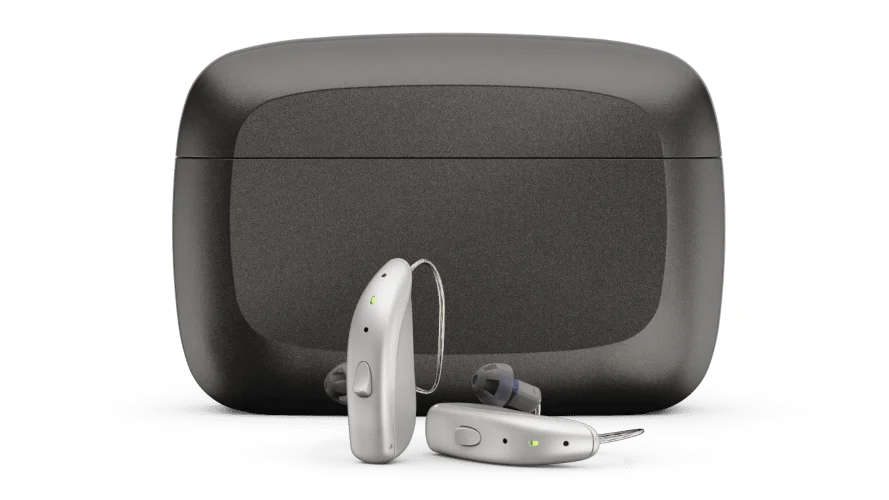

Battery Life
Up to 96 hours on-the-go, rechargeable case included

Style
Receiver-in-Canal (RIC)

Value
We rated the value 4.3 out of 5 based on the combination of quality, device options, and customer service

Bluetooth Support
Yes, compatible with iOS 15.5 or later, and Android v10 or later

Risk Free Trial
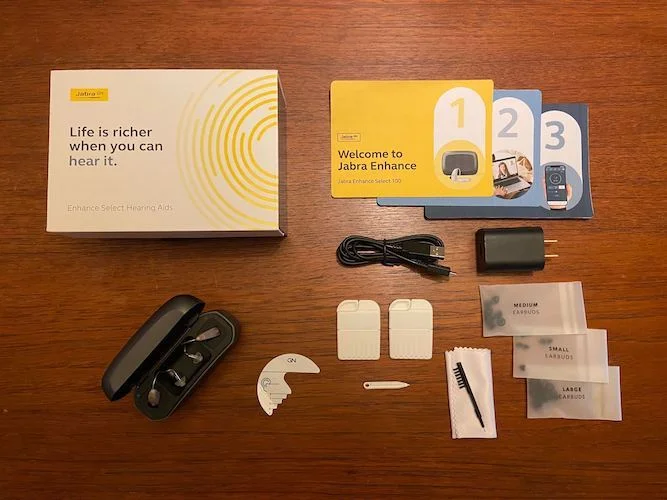
With 100 days to try these out you can be confident in your purchase.

Noise Cancellation
Proprietary SoundScape technology for automated background noise reduction, speech clarity, and customizable noise filtering in Jabra Enhance Select 300 and 700.

Customer Service
Includes 3 years of support from an audiology team (specialists trained to treat hearing loss).
Pros of Jabra
100-day trial period
Three-year warranty and three-year loss & damage protection, the longest of any OTC hearing aid
Three years of free licensed, US-based audiology services, including unlimited appointments & adjustments
Clear Bluetooth audio streaming
Cons of Jabra
Hands-free calling not available in all models
Testers said changing domes and adding sports lock was difficult

Warranty
Three-year warranty, plus three years loss & damage protection

Returns
100-day money-back guarantee from the date the product ships. Returns receive a prepaid label. Must purchase through Jabra directly
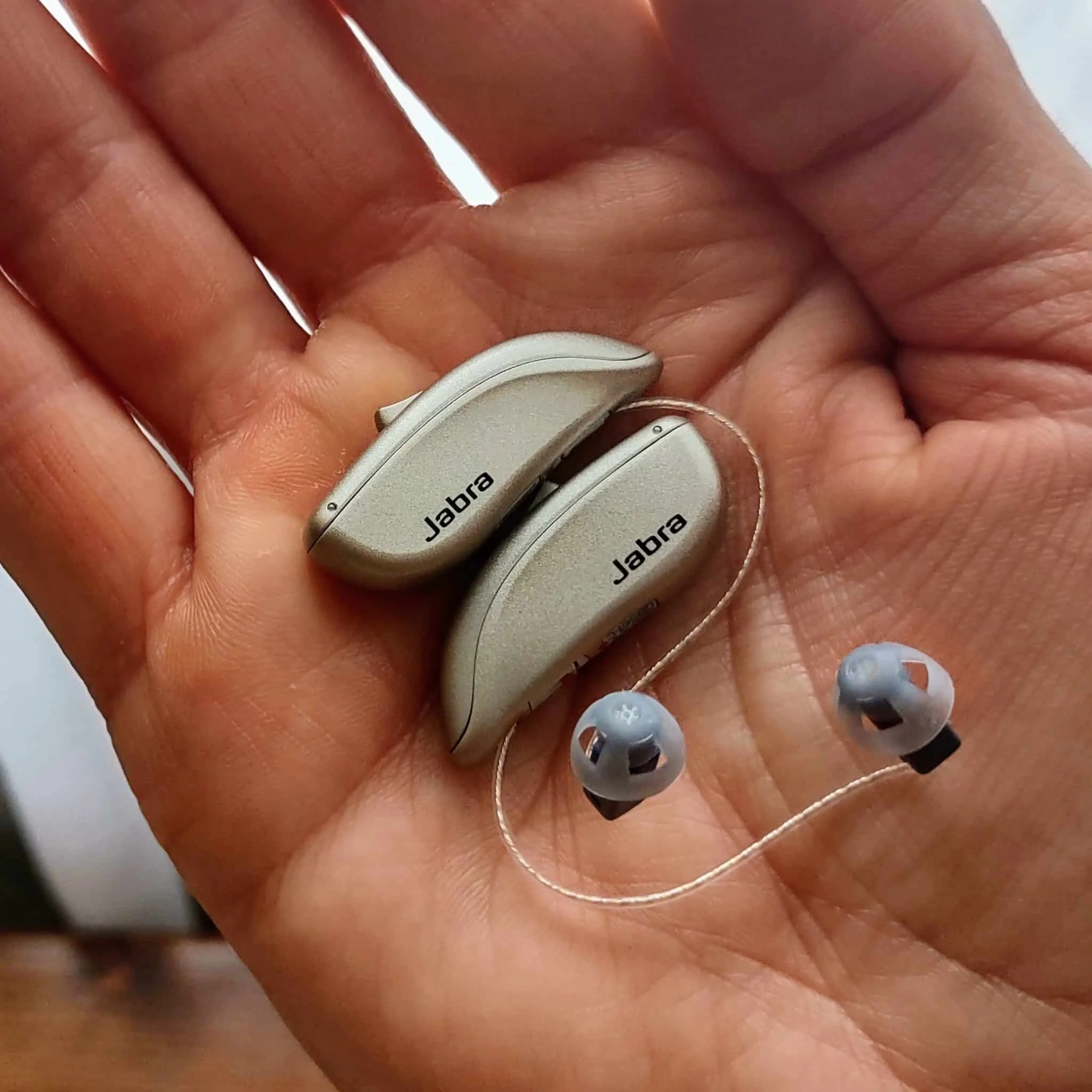
Jabra earns a spot on our list for the company’s combination of quality, over-the-counter devices and a commitment to ongoing customer service that includes support from an audiology team, specialists trained to treat hearing loss. All this together makes Jabra Enhance one of the best OTC hearing aids on the market.
Best Value
NCOA Score
4.8 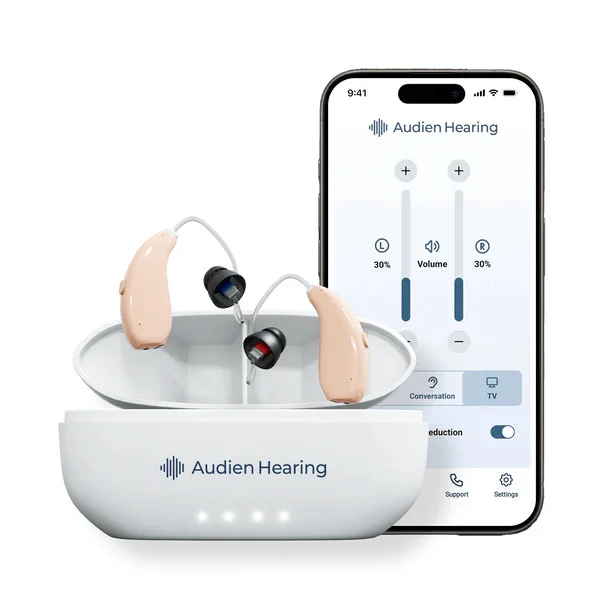
Battery Life
Up to 72 hours
Style
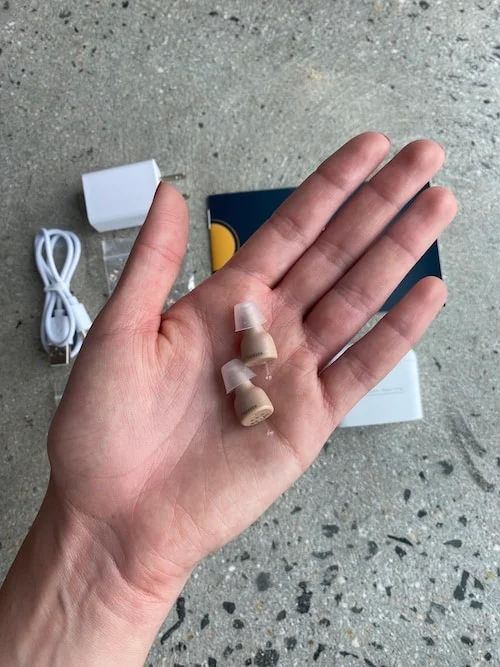
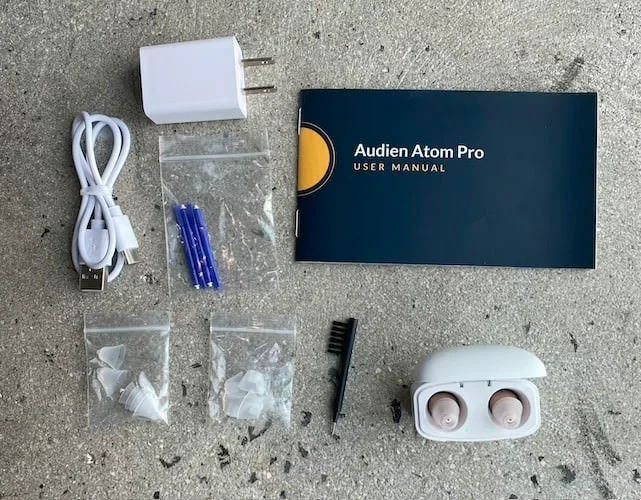
Behind-the-Ear (BTE), Completely-in-the-Canal (CIC), and In-the-Ear (ITE)
Value
We rated the value 4.4 out of 5 due to the low starting price, range of devices, and basic features
Bluetooth Support
Some models include bluetooth streaming with hands-free calling
The Price
Audien hearing aids are some of the most affordable on the market

Ease of Use
With simple on device adjustments you can avoid messing with an app.
Pros of Audien Hearing
Lowest price of any rechargeable hearing aid currently on the market
Small in-the-canal style is barely noticeable
Cons of Audien Hearing
Not water resistant
Volume adjustment is inconvenient
Warranty
One year with $4/mo paid protection plan
Returns
45-day money-back guarantee
With models starting at a remarkably low price, Audien effectively removes financial barriers, offering a straightforward, rechargeable solution for mild to moderate hearing loss without requiring a prior hearing test or specialist visits. While they may not boast all the advanced features of premium devices, Audien prioritizes delivering essential amplification in a discreet, ready-to-use package, making improved hearing within reach for a wider range of budgets.
Best for Tinnitus
NCOA Score
4.7 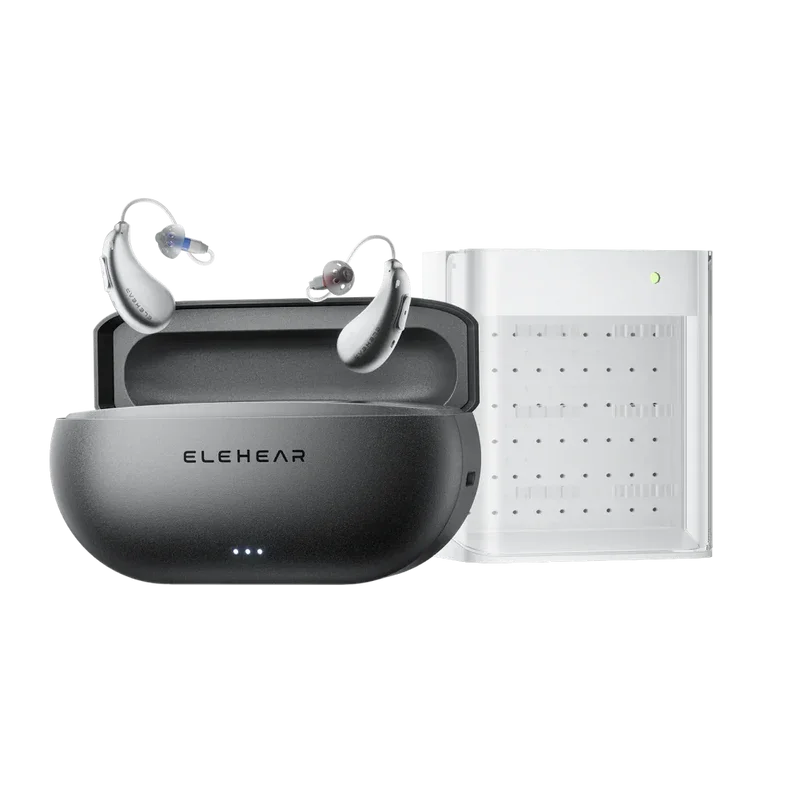
Battery Life
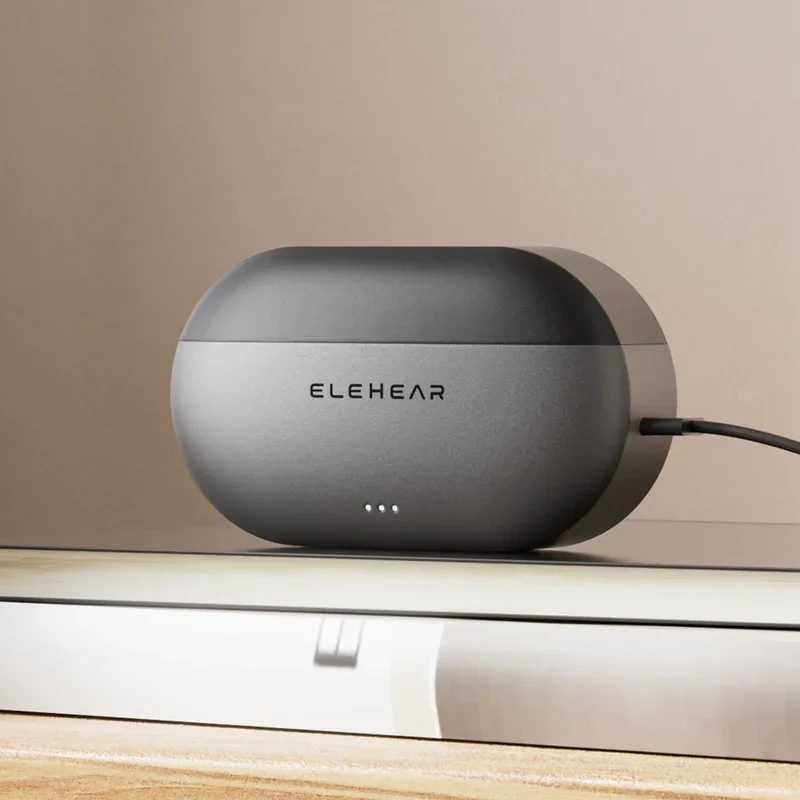
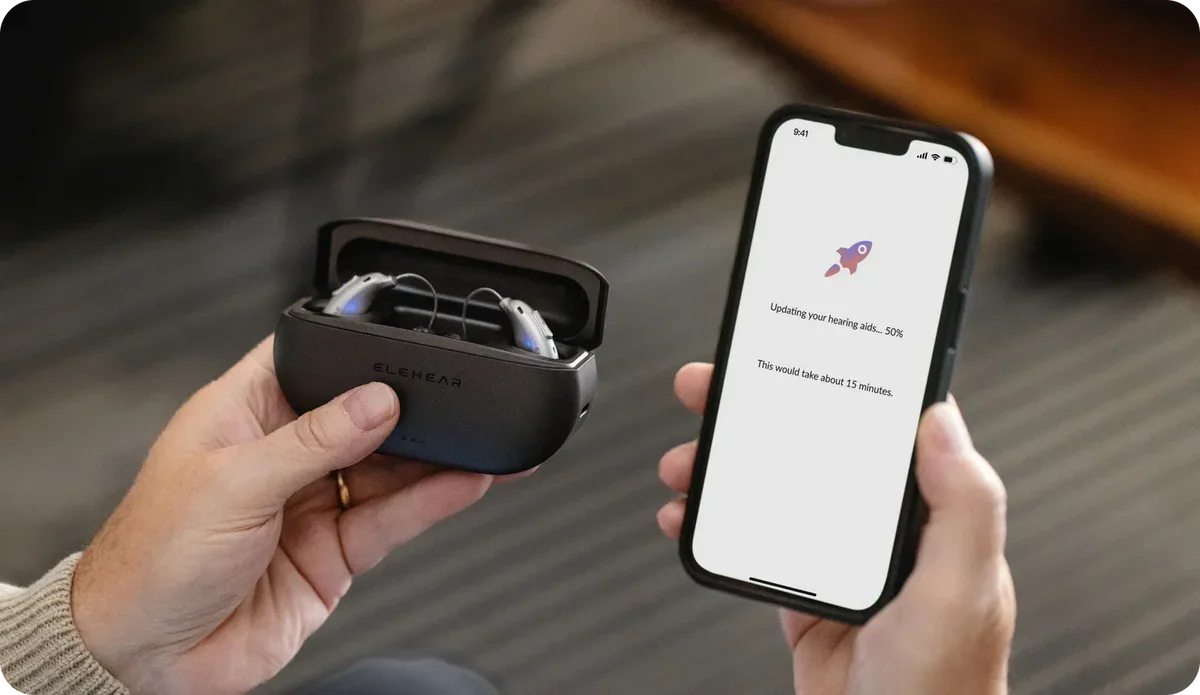
Up to 20 hours, with the case only taking 90 minutes to recharge fully
Style
Receiver-in-ear (RIE)
Value
We rated the value 4.0 out of 5 due to the competitive price point and excellent sound quality, keeping in mind the bulkier fit of these hearing aids
Bluetooth Support
Yes, Bluetooth streaming is available for music, videos, and phone calls

Tinnitus Relief
Elehear Beyond technology specifically addresses and helps manage tinnitus symptoms
The Price
Offers some of the lowest prices for over-the-counter hearing aids
Ease of Use
Simple setup and an intuitive app make the hearing aids easy to use right out of the box
Pros of Elehear
Exceptional tinnitus masking
Fast recharging
Well-designed app to fine-tune settings
Remote audiologist support
Advanced wind-noise management
Cons of Elehear
Bulky appearance
Pairing hearing aids could be easier
Warranty
1-year limited warranty
Returns
45-day risk-free trial period, starting from the date of delivery
Elehear stands out as an excellent choice for individuals seeking high-quality, over-the-counter hearing aids at an affordable price. Users will appreciate the consistently clear and excellent sound quality, including robust Bluetooth audio streaming, right out of the box. The brand’s unique technology provides valuable relief for those experiencing tinnitus, adding a significant benefit that addresses a common concern among hearing aid wearers.
Best for Hearing Care
NCOA Score
4.7 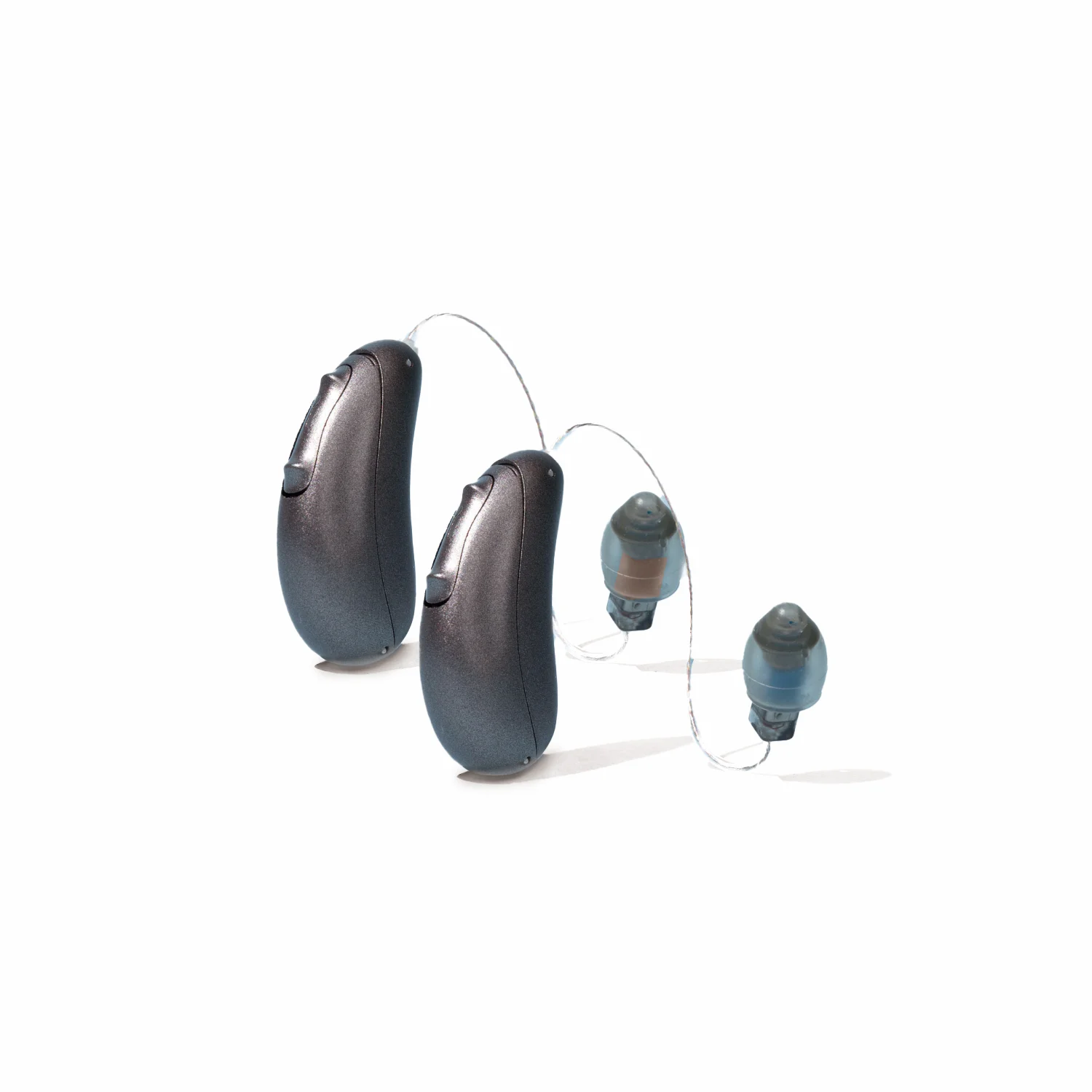
Battery Life
Up to 16 hours
Style
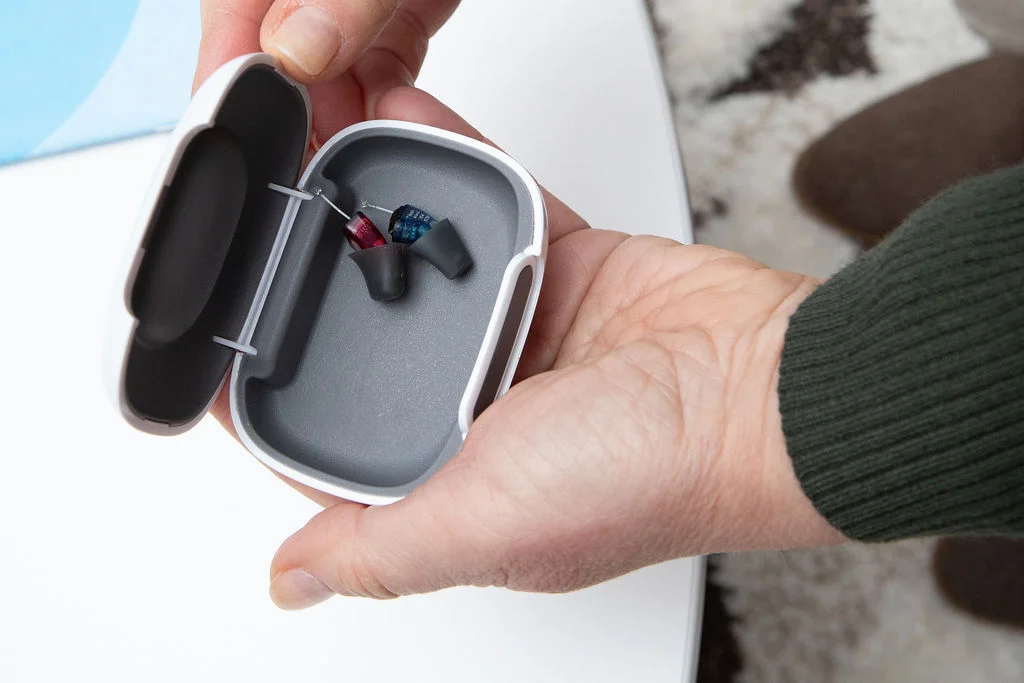
Receiver-in-Canal (RIC) and Completely-in-Canal (CIC)
Value
We rated the value 4.0 out of 5 based on the dedicated support and payment plans increasing accessibility
Bluetooth Support
Yes, audio streaming from up to two Bluetooth devices (not available for the Mini)
Customer Support
Free lifetime support and next day audiology appointments.
Noise Cancellation
All models offer automatic adaptation to reduce noise and increase clarity so you can hear those close to you in even the noisiest environments.
Pros of Audicus
100-day trial period
Free online hearing test
Rechargeable batteries for most models
Bluetooth connectivity in most models
Cons of Audicus
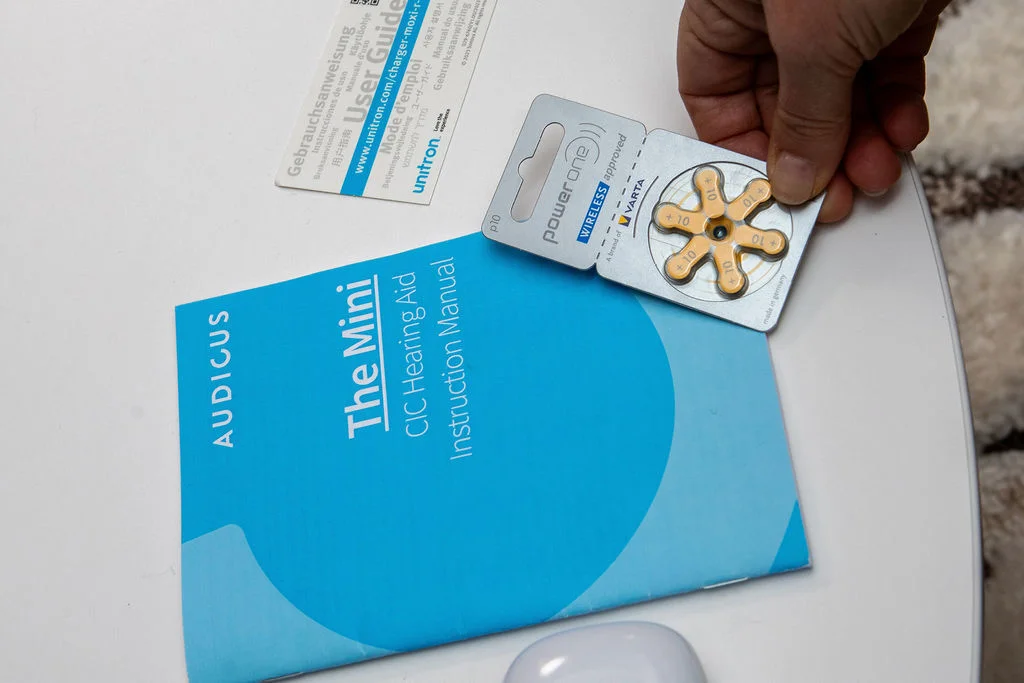
Small batteries may be challenging for some to replace
Limited styles
Warranty
Two-year warranty
Returns
100-day risk-free trial for returns
Audicus offers four hearing aid models. Users who purchase the brand’s membership plan can count on receiving free upgrades, dedicated support, and insurance. Audicus also offers several financing options. The company’s flexible payment plans, in partnership with CareCredit and Allegro, make its hearing aids accessible to a wide range of budgets.
Best Prescription Device
NCOA Score
4.7 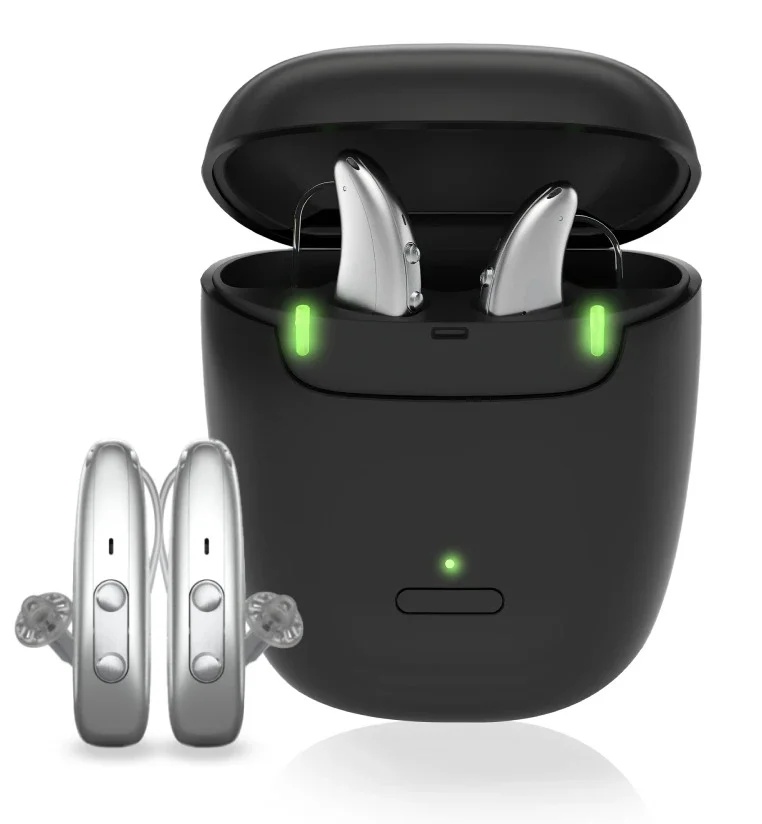
Hear.com
Battery Life
Up to 28 hours
Style
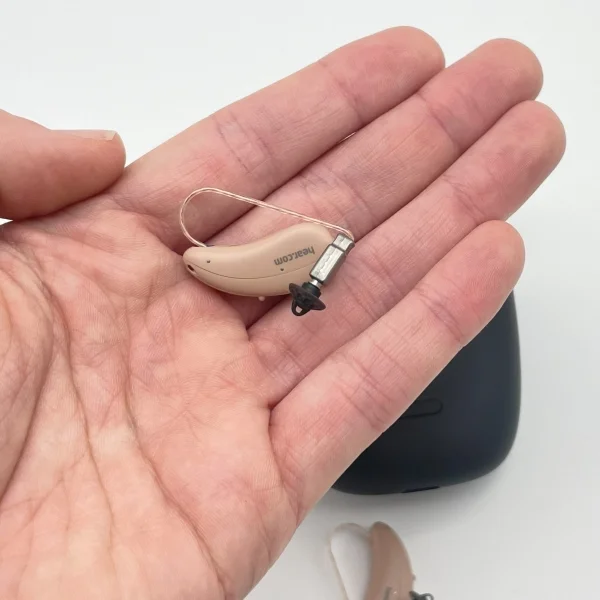
Behind-the-Ear (BTE) and Receiver-in-Canal (RIC)
Value
We rated the value 3.9 out of 5 due to the innovative technology and Clinic-in-a-Box at a higher price point
Bluetooth Support
Yes, streaming for both Apple and Android devices
Battery Life
One of the best battery life’s of products in the segment
Product Selection
Hear.com has the largest selection of hearing aids so you can pick the right product for you.
Warranty
The standard 3-year warranty is longer than the competition.
Pros of Hear.com
No in-person appointment necessary
Convenient online scheduling
Cons of Hear.com
Only works in Hear.com’s provider network
Can be costly
Warranty
Three-year warranty
Returns
45-day risk-free trial for returns
hear.com hearing aids are recognized for their innovative approach to hearing aid technology and user experience. With teleaudiology and its Clinic-in-a-Box service, customers can have their hearing aids professionally programmed and fine-tuned from the comfort of their home.
Most Affordable
NCOA Score
4.1 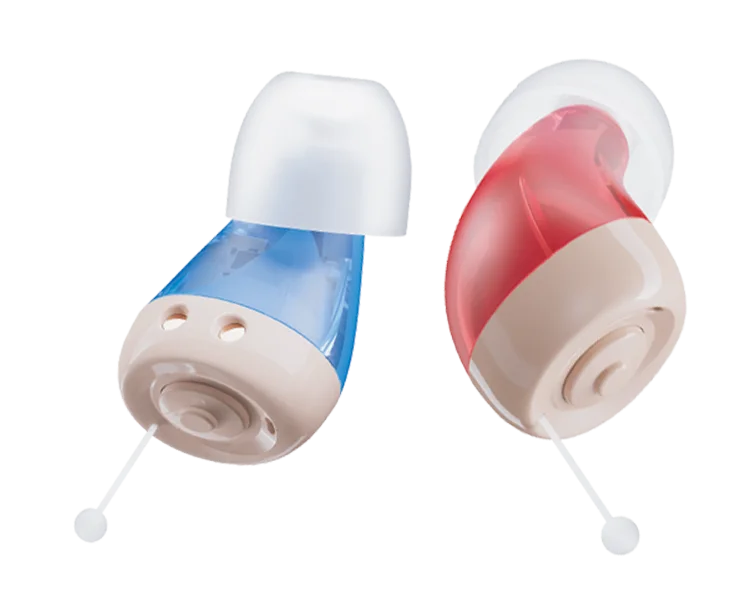

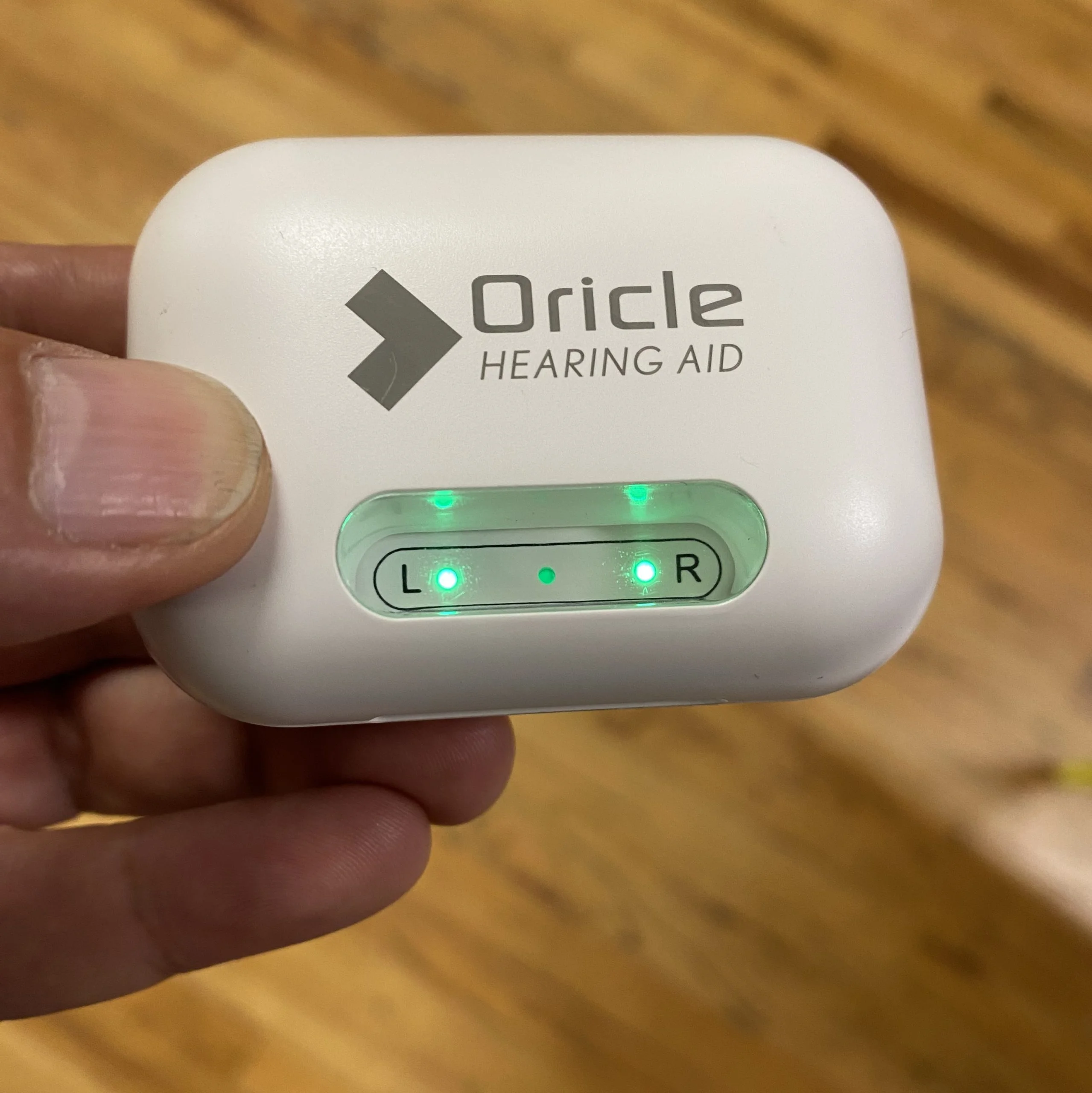
Oricle
Battery Life
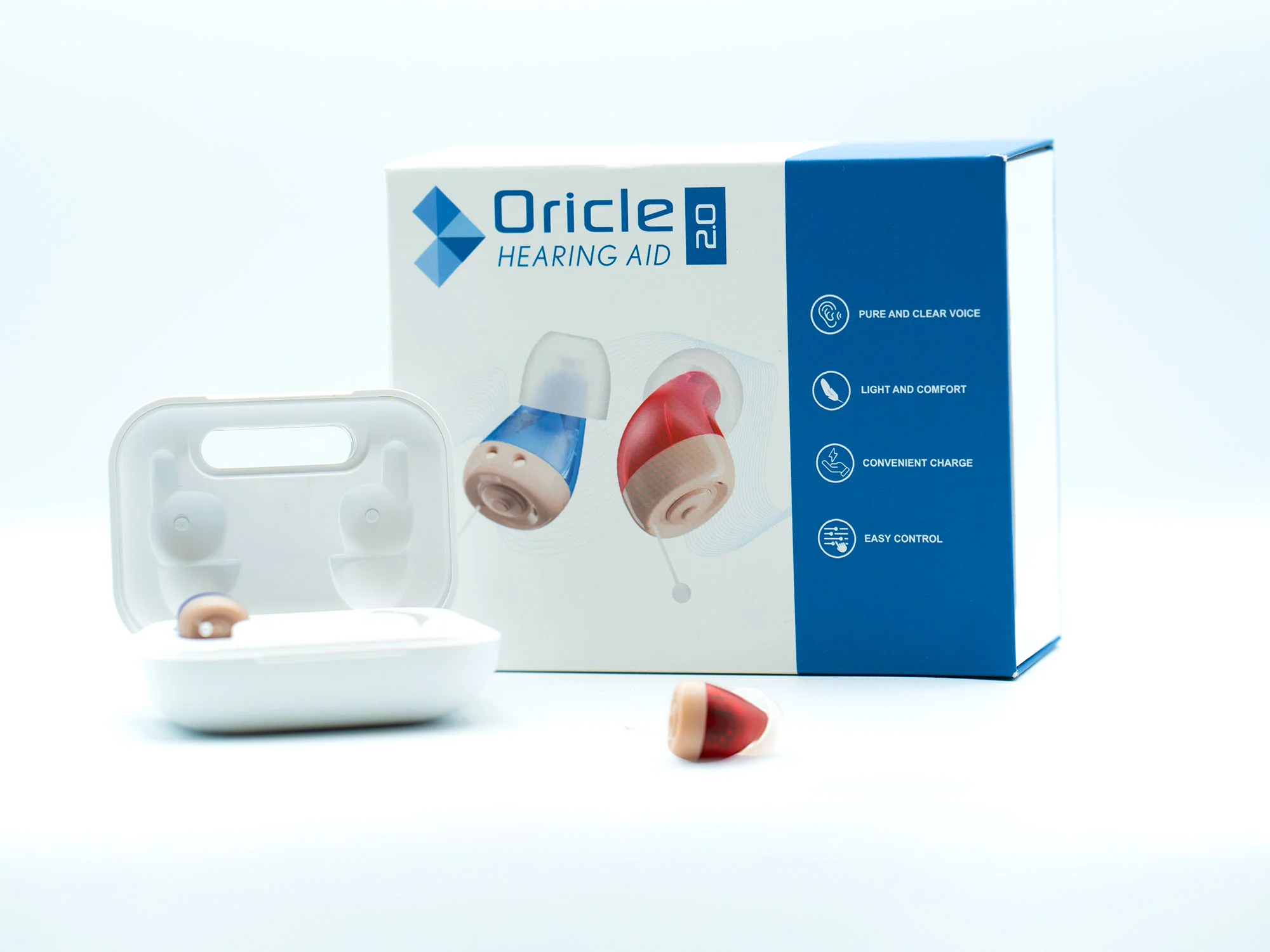
24 hour battery life with a portable charging case
Style
In-the-Ear (ITE)
Value
We rated the value 4.1 out of 5 based on affordability, feature set, and overall user satisfaction
Bluetooth Support
No Bluetooth connectivity available

Affordable Price
Oricle hearing aids cost significantly less than many OTC competitors while still providing clear sound and rechargeable convenience, making them a strong option for budget-conscious buyers
Ultra-Light Design
Oricle devices utilize a modern, nearly invisible design to sit comfortably in-the-ear for long periods without irritation

Simple Controls
Oricle hearing aids focus on straightforward operation with preset listening programs, making them easy to use for people who prefer a no-app, no-Bluetooth setup
Pros of Oricle
Affordable pricing compared to many OTC hearing aids
Rechargeable battery with portable charging case
Lightweight, discreet design suitable for all-day wear
Multiple listening programs for different environments
Cons of the Eargo 7
No Bluetooth streaming for calls or media
Shorter trial period than many OTC competitors
Fewer advanced customization options than premium hearing aids
Warranty
One-year warranty
Returns
30-day risk-free return policy
Oricle earns a spot on our list for its affordable pricing and simple, easy-to-use design. These hearing aids provide clear sound, rechargeable convenience, and a discreet in-the-ear fit without the higher price tag of many OTC competitors. While they don’t include advanced features like Bluetooth streaming or app-based customization, Oricle’s lightweight design and straightforward controls make it a solid option for people looking for budget-friendly hearing support for mild to moderate hearing loss.
Best for First-Time Users
NCOA Score
4.4 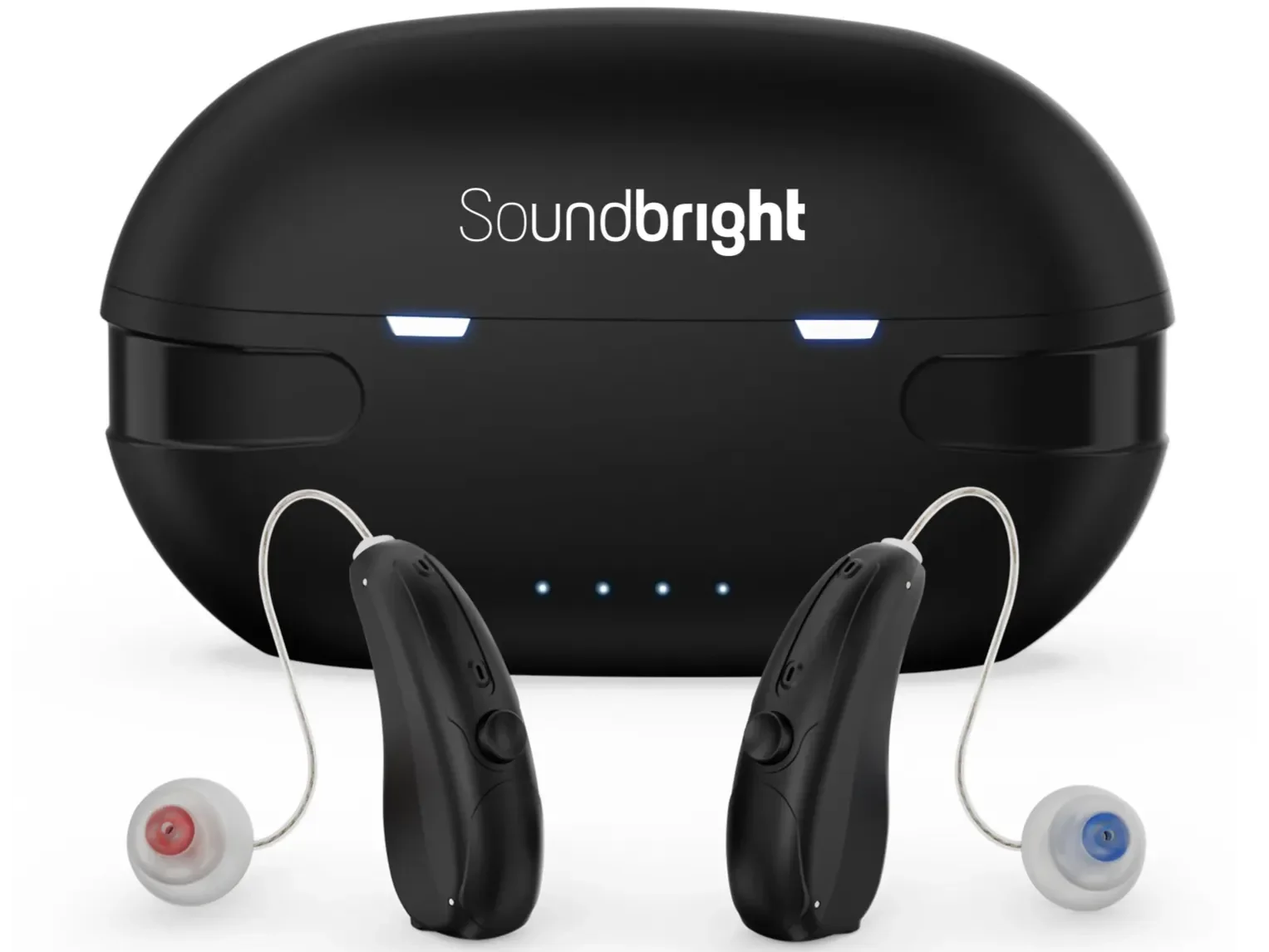
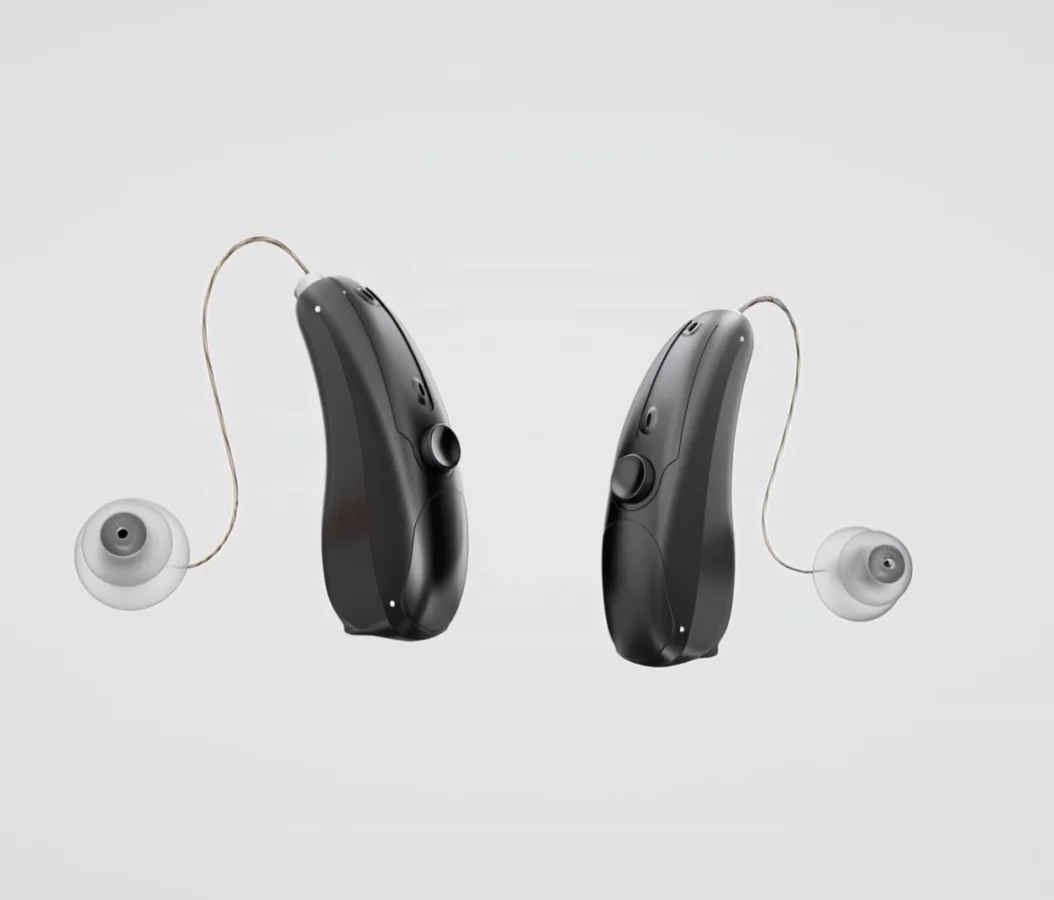
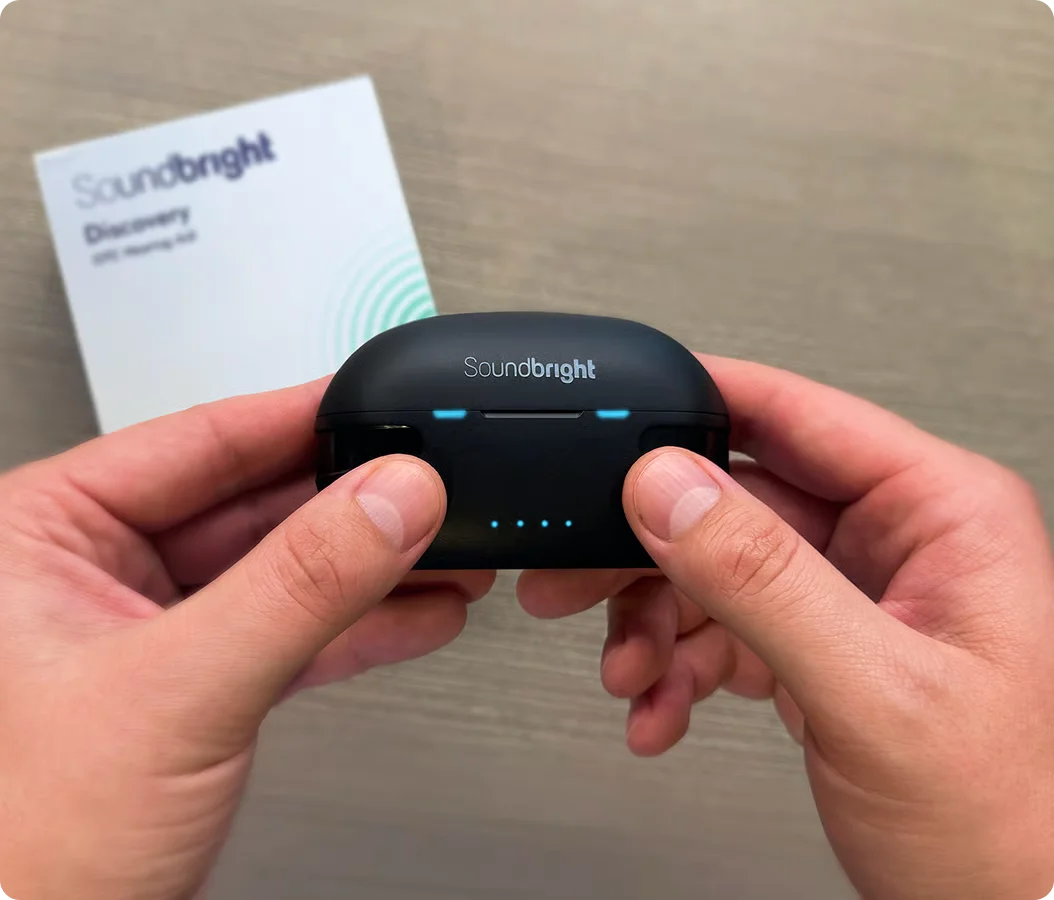
Soundbright
Battery Life
Up to 60 hours with case
Style
Behind-the-Ear (BTE)
Value
We rated the value 4.4 out of 5 based on affordability, Bluetooth features, and smartphone control options
Bluetooth Support
Yes, available on select models for streaming calls, music, and other audio from smartphones
Affordable Options
Soundbright offers multiple models starting at an affordable price, allowing users to start with a basic device and upgrade later if they want more advanced features
App Control
Users can adjust volume and sound settings directly through the Soundbright smartphone app, making it easy to personalize hearing settings without visiting an audiologist
Bluetooth Streaming
Unlike many budget hearing aids, Soundbright models like the Horizon Pro support Bluetooth streaming for music, videos, and phone calls, giving users features often found in higher-priced devices
Pros of Soundbright
Very affordable pricing with models starting around $99
Built-in upgrade path toward medical-grade hearing devices
Bluetooth streaming and smartphone app control on select models
Backed by hearing experts and excellent customer reviews
Cons of Soundbright
Not all models include Bluetooth streaming
Trial period is shorter than some competitors
Fewer in-person audiology services compared to premium brands
Warranty
1 year protection plan available
Returns
45-day risk-free trial period
Soundbright stands out for its flexible upgrade path, allowing users to start with an affordable hearing aid and move toward more advanced or medical-grade devices later without losing their initial investment. With budget-friendly pricing and options that include Bluetooth streaming and smartphone app control, Soundbright makes it easy for first-time users to try hearing aids without committing to the high upfront cost of traditional clinic devices. For people who want a low-risk entry point into hearing care with the option to upgrade over time, Soundbright is one of the most accessible options available.
What to look for in hearing aids
Choosing the right hearing aids can be an involved process. It can help to keep a few key things in mind as you consider which devices are the best fit for your individual needs and lifestyle.
Here are 5 key items to look for when shopping for hearing aids:

Sound Quality and Clarity

Comfort and Fit

Features and Functionality

Ease of Use and Maintenance

Professional Support and Warranty
Benefits of Buying Online

Greater selection

Convenience and Accessibility

Risk-free trials with money-back guarantees
Best Overall
Jabra Enhance

Best Value
Audien Hearing
Best for Tinnitus
Elehear
Best for Hearing Care
Audicus
Best Prescription Device
Hear.com
Most Affordable
Oricle
Best for First-Time Users
Soundbright
FAQs
What are the different types of hearing aids?
There are five main types of hearing aids:
- Completely-in-Canal (CIC): The smallest type, CIC devices sit completely in the ear canal, with a tiny string that hangs outside your ear so you can remove them easily.
- In-the-Canal (ITC): These devices also sit in the ear canal, but are larger and a bit more visible than CICs.
- Behind-the-Ear (BTE): BTE devices have an earmold that rests behind your ear, with a plastic tube that hooks over your ear and runs into your ear canal to transmit amplified sound.
- Receiver-in-Canal (RIC): RIC devices, also known as receiver-in-the-ear (RITE) or mini behind-the-ear (mBTE), sit behind the ear like the BTE type, but are often smaller and less visible.
- In-the-Ear (ITE): ITE devices sit completely within the ear like the CIC, but are larger, making them easier to handle but more visible.
How do I know if I need a hearing aid?
Unless a doctor or audiologist has recommended hearing aids, you may not know if you need them. But if you’re noticing that you have trouble hearing in one or both ears, it may be time to consider hearing aids. Your spouse, other family members, and/or friends may have also noticed your difficulties with hearing and recommended hearing aids as a solution.
Some signs of hearing loss to be aware of, according to the Mayo Clinic, include:
- Feeling the need to speak loudly
- Requiring audio devices to be turned up louder than normal
- Asking people to repeat themselves because you can’t hear or understand them
- Straining to hear
- Hearing better out of one ear
- Having difficulty hearing people on the phone
- Noticing that certain sounds and voices are muffled
If you’re experiencing any signs or symptoms of hearing loss, consider seeing an audiologist or hearing specialist. They can conduct a hearing exam to determine the degree of your hearing loss and provide a recommendation for different hearing aid styles and brands.
How long does it take to get used to a hearing aid?
Adjusting to your new hearing aids takes time. For some people, getting used to wearing hearing aids happens within a few days. For others, there is an adjustment period that may take a few months.
In general, you should notice a difference right away. If you’re having problems, contact the hearing center or online retailer that sold you the hearing aids. They can provide tips and guidance to help with the fit and improve your hearing aid experience.
How long do hearing aids last?
On average, hearing aids last about three to seven years. How well you maintain your hearing aids will impact their lifespan, but it also depends on their construction and how much wear and tear they experience from being worn each day.
How do you adjust to hearing aids?
Adjusting to hearing aids takes patience. The transition can take a few days to several months, so give yourself time to adapt, and visit your hearing-care professional for adjustments as needed. It’s important to remember that hearing aids aren’t able to restore your hearing to its original state but to enhance it. Hearing professionals advise users to wear their hearing aids as often as possible and in different settings, whether watching TV at home, walking in the neighborhood, or dining in a busy restaurant, to help your brain readjust to the sounds it was missing.
If you find the adjustment period challenging, schedule a follow-up with your hearing specialist. They can tweak your device settings or suggest a different style that better suits your needs. Remember, even a minor adjustment to your hearing aids can make a significant difference in comfort and performance.